
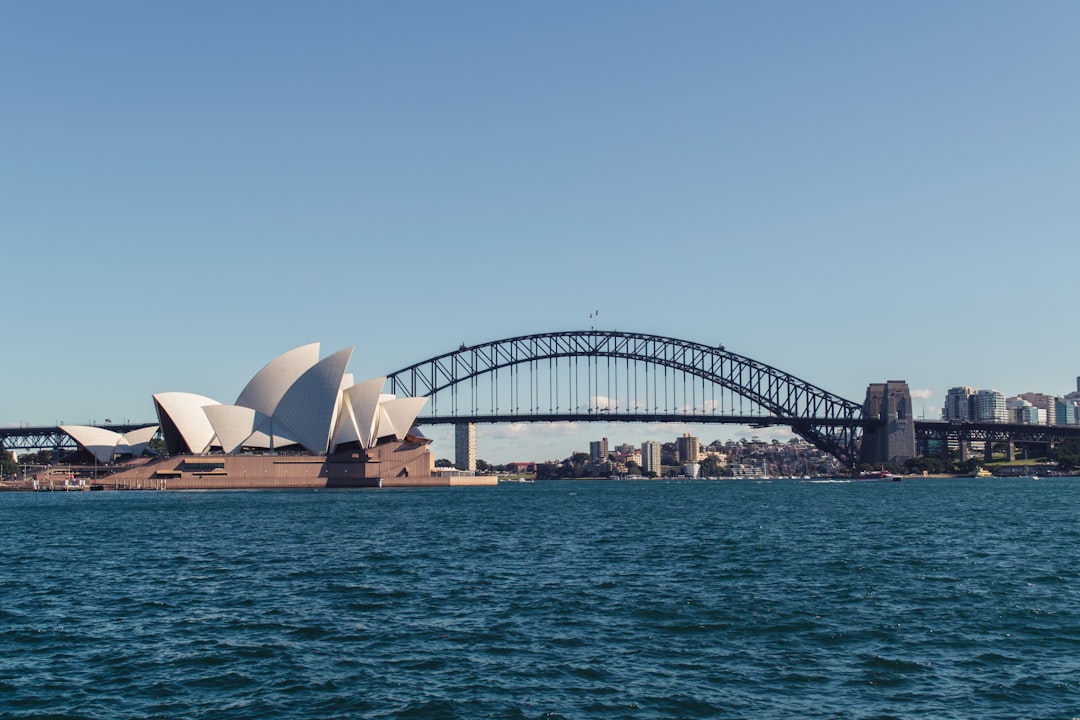
Few buildings in the world are as instantly recognizable as the Sydney Opera House. Its sail-like shells curve up from the edge of Sydney Harbour, catching the light in a different way every hour of the day. Whether you are arriving by ferry, strolling along Circular Quay, or simply flipping through a travel magazine, the silhouette is unmistakable. More than fifty years after it opened, the Opera House remains not just Australia’s most famous building but one of the defining structures of the twentieth century.
A Home for the Performing Arts
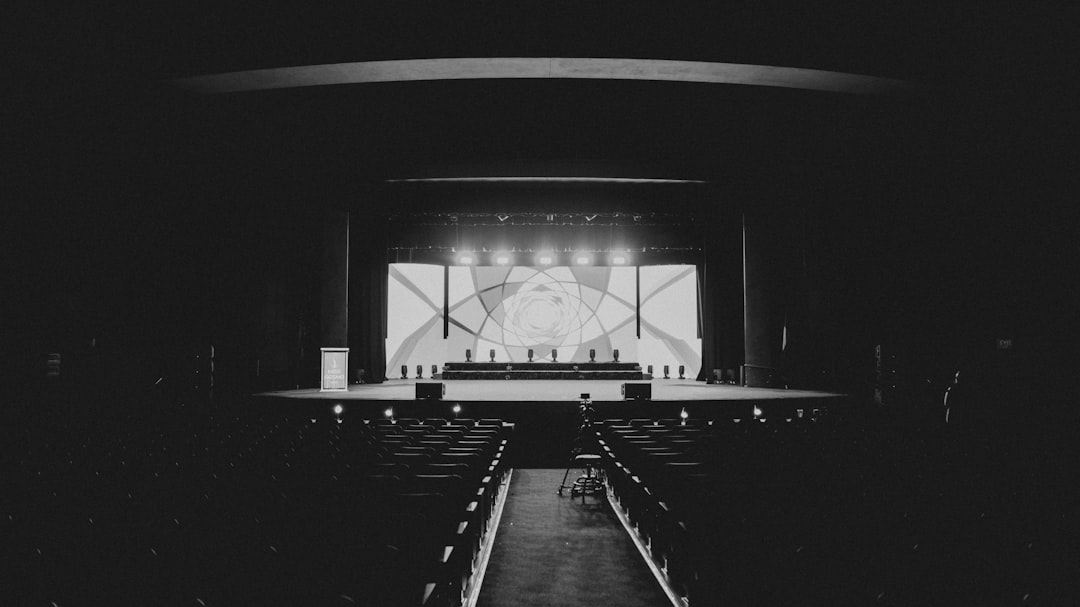
The Opera House is far more than a single stage. Inside its shells sit several distinct venues, including the Concert Hall, the Joan Sutherland Theatre, the Drama Theatre, and a handful of smaller studios and playhouses. Together they host thousands of performances a year, ranging from full orchestral concerts and grand opera to contemporary dance, theatre, and comedy. The Concert Hall alone can seat well over two thousand people beneath a canopy of acoustic rings designed to spread sound evenly through the room.
What makes the venue special is not only its scale but its variety. On any given week, you might find a touring symphony sharing the site with an experimental theatre piece, a children’s matinee, or a free outdoor performance on the forecourt overlooking the harbour. The building was designed from the outset to be a genuine cultural hub for the city, not a monument that merely looks impressive from the water.
An Engineering Feat as Much as an Architectural One
The building’s famous shells look effortless, almost like sails caught mid-billow, but getting them to actually stand up was one of the great engineering puzzles of the era. Early designs could not be built with the technology and materials available at the time, and it took years of collaborative problem-solving between architects and structural engineers to arrive at a solution: each shell would be built from sections of a single imaginary sphere, so that the same precast concrete ribs could be reused again and again. That single insight is what allowed the roof to move from sketch to reality.
Construction stretched across roughly a decade and a half, from the initial groundwork in 1959 to the official opening in 1973, and costs climbed far beyond the original budget. Despite the delays and controversy along the way, the finished building was recognized almost immediately as something extraordinary, and in 2007 it was added to the UNESCO World Heritage List, a rare honor for a structure built within living memory.
Visiting Today
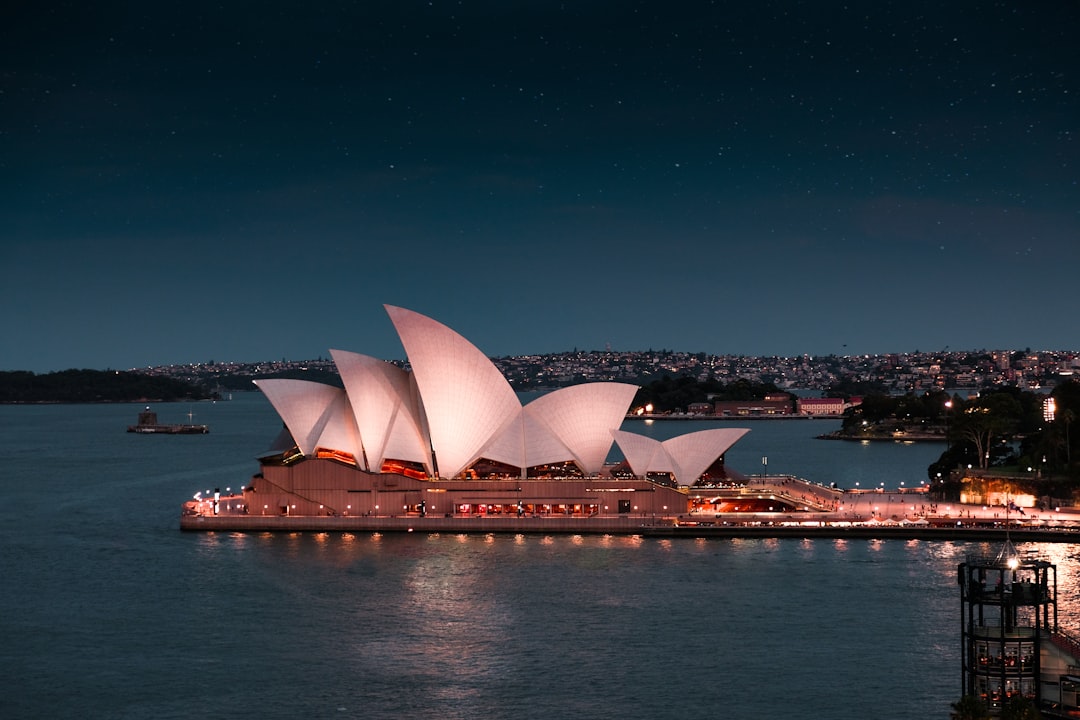
For visitors, the Opera House rewards more than a quick photo stop. Guided tours run throughout the day and take you backstage and into the main halls, explaining both the architecture and the daily logistics of running a working performing arts centre. The forecourt is free to wander, and it is one of the best vantage points in the city for watching the sun set over the harbour with the Harbour Bridge in the frame. Many visitors pair a tour with an evening performance, turning a daytime visit into a full night at the opera.
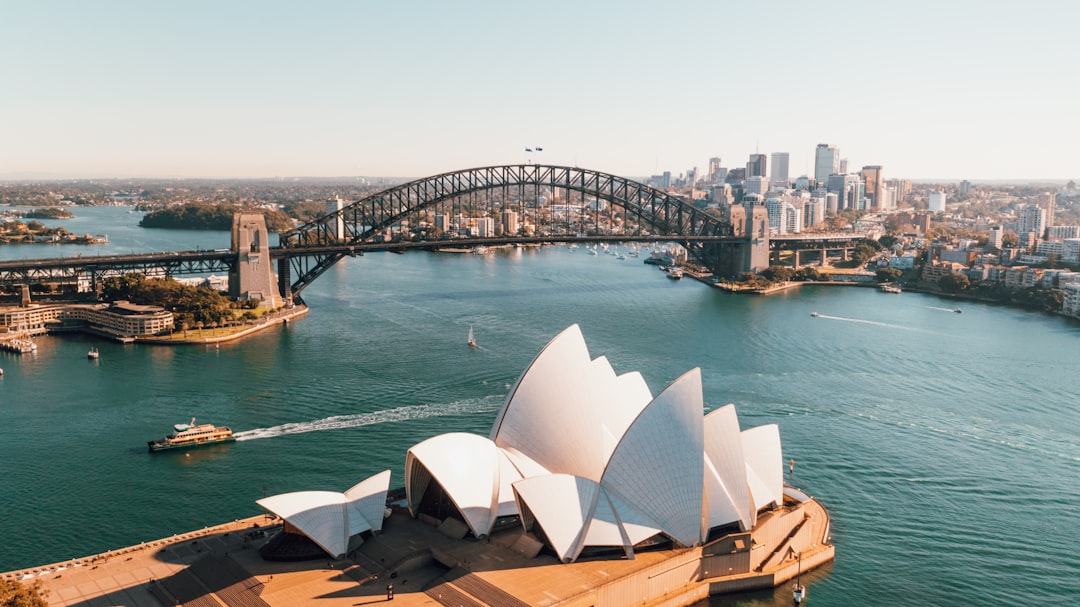
The building also anchors the wider Sydney Harbour precinct. It sits just a short walk from the Royal Botanic Garden, the historic Rocks district, and the ferries that crisscross the harbour, making it easy to build a full day around a visit without ever needing a car.
The Architect Behind the Design
The building’s design came from Jørn Utzon, a Danish architect who was relatively unknown internationally when his concept won a global competition in 1957. Utzon’s entry stood out for its sculptural roofline, unlike anything else submitted, and it was reportedly rescued from an early round of rejections by a judge who recognized its potential. Utzon relocated to Sydney to oversee the project and worked closely with engineers to solve the shell-geometry problem that had stumped his original drawings, treating the commission as much as a technical challenge as an artistic one.
Utzon’s relationship with the project ended before construction was complete. Disputes with the New South Wales government over costs, design changes, and payment led him to resign in 1966 and leave Australia, and he never returned to see the finished building in person. In the years that followed, his reputation was gradually restored, and before his death in 2008 he was involved once again, this time as a consultant on interior renovations and a set of design principles meant to guide the building’s future. Today he is remembered as one of the defining architects of the modern era, and the Opera House stands as the work most closely associated with his name.